You Are Renting Your AI Visibility, Not Owning It
Every citation an AI engine gives you is a tenancy, not a deed. The slot is granted per query, re-ranked at every model update, then priced by rules the platform rewrites without notice. The brands still visible in three years are the ones converting rented placement into equity they own outright.
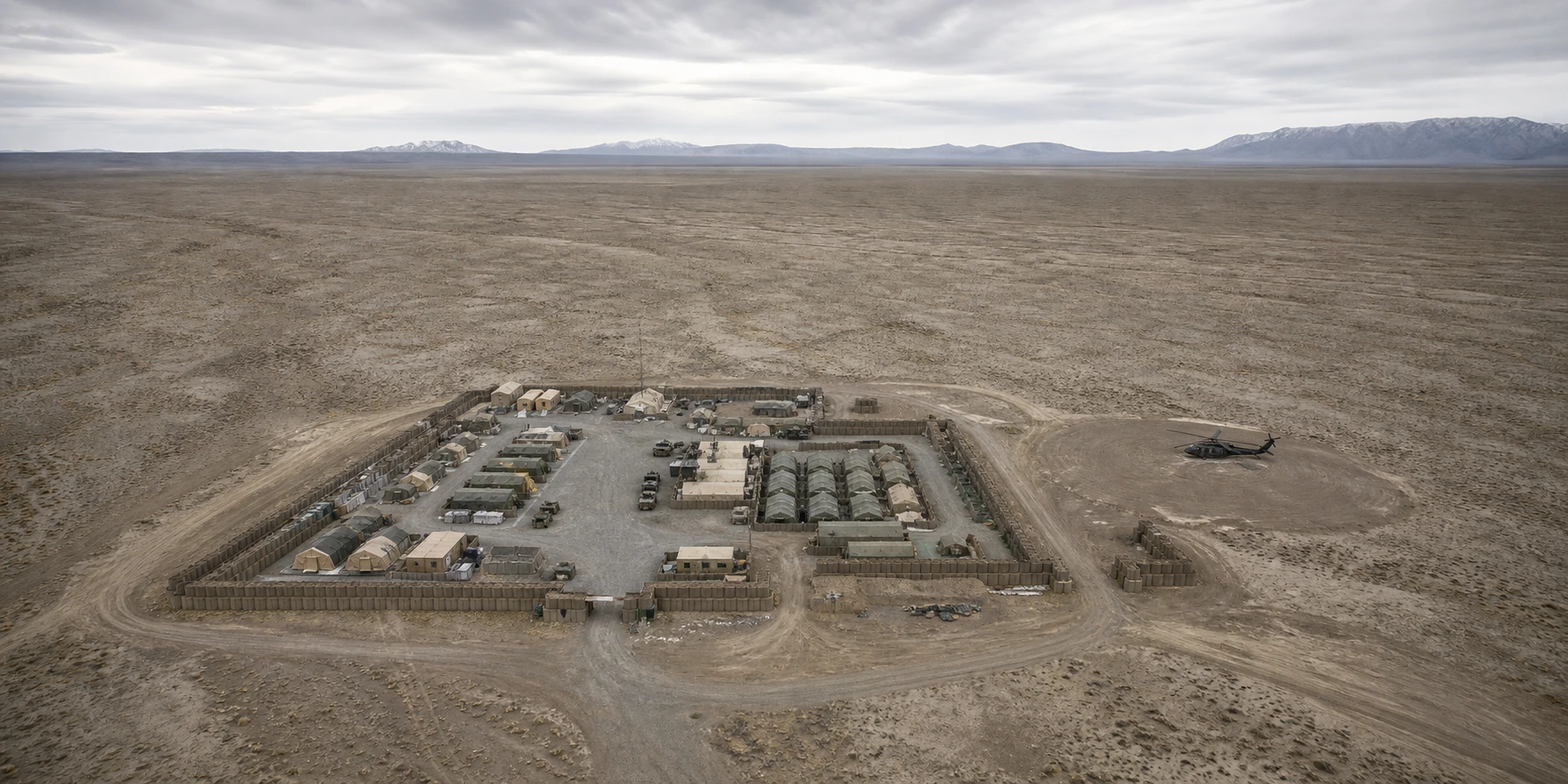
Your AI Visibility Has a Landlord
Renting your AI visibility means your presence inside an AI answer is a tenancy the engine grants and can withdraw, never a property you hold. The citation slot is allocated per query, re-ranked at every retraining, priced through paid layers the platform adds at will, then reachable only through a pipe the platform can gate. Ownership is the opposite: the visibility assets that remain yours even if a given engine changes its rules or disappears.
The instinct most teams carry over from search is ownership. A rank you earned was a position you held until a competitor displaced you, a slot with your name on it that persisted between visits. An AI citation works nothing like that. It is re-decided from scratch on every query, by a system that re-reads the field, re-scores it, then prints one answer. You did not lose the slot when you fall out of an answer; the slot was never yours to begin with.
This is the difference between placement and equity. Placement is where you appear inside someone else's product. Equity is what you would still hold if that product changed its rules tomorrow. Almost everything the answer-engine industry measures is placement: a citation here, a mention there, a share-of-answer number that moves with each model release. Treating that placement as an asset on your balance sheet is the most expensive assumption in answer engine optimization.
The DSF Visibility Tenancy Stack sorts your visibility into five layers, from the placement you purely rent to the equity you genuinely own. The dashboard below frames the stakes. When the engine sits between you and your audience, the terms of the relationship are written entirely on its side, then the numbers that follow are what that one-sided arrangement already costs.
Four Ways the Platform Can Evict You Overnight
A landlord can change the locks; so can an engine. The visibility you hold today rests on four mechanisms the platform can adjust without warning, each of which can drop your brand out of the answer between one week then the next. None of them requires you to make a mistake. Your content can be flawless while the lever moves anyway.
The first lever is the model itself. Every retraining re-derives which sources it trusts, then reranking can demote you for reasons unrelated to your page. Work on recency bias in language-model reranking found that a system's preference between two equally relevant passages can flip by up to 25% on the basis of an injected date alone. Citation reliability is already unsteady: an audit of deep-research systems put citation accuracy between 40% to 80% across engines, with many statements unsupported by the sources listed beneath them.
The second lever is monetization. The engine can slot a paid tier above the citation you earned, turning the top of the answer into inventory. Google has begun placing Search and Shopping ads inside AI Overviews, with ads under test inside AI Mode responses. Your earned mention does not vanish; it simply slides below the brands that paid to sit on top of it.
The third lever is the surface. Google introduced AI Mode then rolled it out to every user in the United States, rebuilding the result page around a generated answer rather than a list of links. The fourth lever is the pipe. Through Cloudflare's Pay Per Crawl, a site can answer an AI crawler with a 402 Payment Required, making the very ingestion of your content a metered transaction. Any one of these four can be pulled without your input, which is what the panel below lays out.
You Feed the Machine; It Barely Feeds You Back
The relationship is not only revocable; it is lopsided. You supply the content the engine learns from, then it returns a fraction of the traffic that supply once earned. The dependence runs one direction, which is the defining feature of a tenancy: the landlord collects rent whether or not the tenant prospers.
The imbalance is measurable, and it has a name: the crawl-to-refer ratio. Cloudflare's data on AI crawlers put OpenAI at roughly 1,091 pages crawled for every human click it sent back in July 2025, against about 5.4 for Google. At the extreme, Anthropic's crawler took nearly 70,900 pages for every referral it returned. The engines harvest at industrial scale; the trickle they send back is the rent.
The click is collapsing on the reader's side as well. Pew Research found that users clicked a result 8% of the time when an AI summary was present, against 15% when it was not, then clicked a link inside the summary in just 1% of visits. The answer satisfies the reader in place, so the visit you were renting evaporates. This is the same dynamic charted in our analysis of the crawl-to-referral collapse.
None of this means the engines are villains; it means the arrangement is structurally one-sided, then a one-sided arrangement is a poor place to bank your future. The brands that internalize this stop treating engine visibility as a destination, then start treating it as a channel they must hedge. The scale of the harvest behind that imbalance is charted below.
The DSF Visibility Tenancy Stack
The DSF Visibility Tenancy Stack is a way to see your AI presence as five layers stacked from rented to owned. At the bottom sits Borrowed Placement, the citation slot itself, granted per query then revoked at the engine's discretion. Above it is Crawled Inventory, the content the engine has ingested: you chose to publish it, yet you control neither how long it is retained nor how it is read.
The middle layer is the Corroborated Entity, the consensus about who you are spread across the open web. It is harder to revoke because no single platform holds it, yet it is still not yours; it lives in third-party records you influence but do not own. Climbing higher, the layers tilt toward ownership, away from anything a single engine can reclaim on its own.
The top two layers are the ones you can hold. Owned Surface is your own domain plus the structured data you publish under open standards, a place where your claims are not re-decided by a model. Durable Equity is the apex: the off-platform assets that survive any single engine, a direct audience you can reach unaided, proprietary data only you publish, then entity authority anchored where no platform can withdraw it.
The value of the stack is that it tells you where effort converts into equity. Spending on the bottom two layers buys placement that resets; spending on the top two buys assets that compound. The ladder below renders the five layers in order, from the rent you pay to the property you keep.
Most Brands Build on the Layers They Rent
Almost every answer-engine program concentrates on the two most-rented layers. Teams optimize the page so it is easier to crawl, then track whether the citation appeared, which is effort poured into Borrowed Placement plus Crawled Inventory, the exact layers the engine can reclaim. The work is not wrong; it is misallocated, aimed at the floor rather than the part of the stack that holds its value across a model change.
The reason is visibility of a different kind: the rented layers are the ones a dashboard can see. A tool can report whether you were cited today, so that is what gets managed, while the layers that actually compound, your corroborated entity then your durable equity, sit off-screen where no dashboard tracks them. This is the trap dissected in our argument that an AEO dashboard is not an AEO strategy.
The dependence makes the misallocation urgent. Organizational AI use reached 78% in 2024, up from 55% the year before, then 65% of US adults say they at least sometimes see AI summaries. The channel you are renting is becoming the channel through which most buyers first meet you, which raises the cost of having no equity underneath it.
The table below maps the five layers against the questions that matter for ownership: who controls the layer, whether a model update can revoke it, then whether it survives the platform leaving entirely. The pattern is stark. Everything you can fully control sits at the top, everything the engine controls sits at the bottom, then most budgets are aimed straight at the bottom.
Only What Survives the Platform Is an Asset
There is a clean test for whether a piece of visibility is an asset or a rental. Ask what remains if the platform vanishes. A citation in one engine disappears with that engine; a direct relationship with your audience does not. This is the Granted-Channel Principle, then it is worth stating plainly.
"Any visibility a platform can grant in a single update, it can revoke in the next. Only what you would still hold if that platform vanished is an asset; everything else is rent."
— Digital Strategy Force, Search Intelligence Division
The principle redirects strategy from accumulating placements toward building the three holdings that pass the test. A direct audience, reachable by email or community without an engine in the loop, is the clearest form of owned visibility. Proprietary data, the numbers or research only you publish, is the second, because it makes you a source the model cannot route around when it answers the question.
Entity authority is the third holding, the corroborated reputation that follows your name across the web rather than living inside one product. These three are not immune to the engines, but they are not granted by them either, which is the whole point. They are the part of your visibility that a model update cannot quietly delete. This is also why the durable advantage in AI search keeps resolving to the same place, the argument behind brand authority as the last compounding advantage: equity is simply authority you have made structurally yours.
Want to know which of the five tenancy layers your brand actually controls? A DSF Answer Engine Optimization engagement maps where your visibility lives, then what it would take to own more of it. The three durable holdings are set out below.
What You Actually Own
Between pure rental then pure equity sits a layer most brands underuse: the owned surface. Your own domain is the one place on the web where your structured claims are published on your terms, not re-decided by a ranking system. The engines still read it, yet they do not gate what you put there, which makes it the cheapest ownership available to you.
Open standards extend that ownership outward. Schema.org is an open vocabulary, founded by the major search companies yet free for any site to use, that lets you state facts about your brand in a form every engine can parse. Because it is open, no single platform can privatize it or charge you for access to it. The structured data you publish there is a claim you own outright.
The crawler standard works the same way. RFC 9309, the robots exclusion protocol the IETF standardized, lets you set the terms on which automated clients may read your site. It is advisory rather than enforced, the standard itself notes it is "not a form of access authorization," yet it is a control you set, on a rulebook no engine owns. The same instinct drives the debate over whether your site needs an llms.txt file to be cited: an open file you author beats a private ranking you cannot see.
Owned surfaces will not, by themselves, win every answer. They are necessary, not sufficient. Yet they are the layer where effort accrues to you rather than evaporating at the next model update, which is why a serious program treats them as the foundation the rest is built on. The scorecard below rates how much of each layer you genuinely control, from almost none to nearly all.
Build a Visibility Portfolio, Not a Position
The conclusion the stack forces is a portfolio, not a position. A single engine, however dominant, is a single landlord, then concentrating your visibility there is the same risk as keeping every asset in one building you do not own. Diversifying across engines reduces the blast radius of any one policy change, while building the owned layers gives you ground that no policy change can touch.
In practice the program runs on two tracks at once. On the rented track, keep winning placements: structure pages for extraction, earn citations, track share of answer, because today's buyers meet you there. On the owned track, build the equity that survives: stand up a direct audience, publish proprietary data, then consolidate your entity across the web. The first track pays the bills this quarter; the second one owns the next model.
Sequencing matters because the owned track is slow. A direct audience takes years to build, an entity takes cycles to consolidate, then the payoff lands on the training calendar rather than the campaign calendar. That is precisely why it must start now: the equity that protects you in two years is the equity you begin compounding today, while the rented placement still does its job.
The readiness checklist below is where to begin. It asks the five questions that separate a rented presence from an owned one, so a team can see at a glance which holdings it already has, then which it is still merely renting.
Rented visibility is not worthless. A citation today still reaches a buyer today, then a well-structured page still wins the answer when a search fires. The error is not renting; it is booking the rental as if it were owned, then stopping there. Every lever that grants your placement, the model, the monetization, the surface, the pipe, can be pulled by the party that owns it, on a timeline you do not set.
So treat the engine as a channel, never a home. Win the placements, then convert them into something the next policy change cannot reach: an audience you can address directly, data only you hold, an entity the whole web corroborates. The brands still visible in three years will not be the ones who rented the most placement. They will be the ones who quietly turned their presence into property while everyone else kept decorating a rental.
FAQ — Renting AI Visibility
What does it mean that AI visibility is rented?
It means your presence inside an AI answer is granted by the engine, not owned by you. The citation slot is re-decided on every query, re-ranked at each model update, then reachable only through infrastructure the platform controls. You occupy the space; the engine holds the lease, so it can change the terms or withdraw the placement without your consent.
Can a brand really lose AI citations it has already earned?
Yes. A citation is not a saved position. A retraining can demote you, a paid layer can be placed above you, then the result surface can be redesigned around a different set of sources. Studies of AI-search systems show citation accuracy swinging widely between engines, so even a stable-looking placement can vanish at the next model version.
Does paying for ads inside AI Overviews count as owning visibility?
No. Paid placement is the purest form of renting: the moment you stop paying, the visibility ends, then the slot returns to the engine. Ads can be worth buying for reach, but they are an operating cost, never an asset. Owning visibility means holding something that remains after the spending stops.
What AI visibility can a brand actually own?
Three things: a direct audience you can reach without an engine, such as an email list or community; proprietary data only you publish, which makes you a source the model cannot route around; then entity authority, the corroborated reputation that follows your name across the web. These survive any single engine changing its rules, so they are equity rather than rent.
Is blocking AI crawlers a way to take back control?
Partly. Tools that let you allow, charge, or block AI crawlers do restore a lever over who reads your content. But blocking can also remove you from the answers entirely, so it is a negotiating position rather than a growth strategy. Control over the pipe matters most when paired with owned surfaces the engines still want to read.
How do open standards like schema.org and robots.txt help?
They give you control no single platform can revoke. Schema.org lets you state facts about your brand in a form every engine parses, free for anyone to use. The robots standard lets you set crawler terms on your own site. Neither is owned by an engine, so the leverage they provide stays yours regardless of any one platform's policy.
What is the first step to converting rented visibility into owned equity?
Inventory where your visibility currently lives across the five tenancy layers, then identify the single platform whose next policy change would hurt you most. Reducing that one exposure, usually by standing up a direct audience channel, is the fastest move from renting toward owning. From there, the owned layers compound on the training calendar, not the campaign calendar.
Next Steps — Renting AI Visibility
Stop banking on placement you rent, then start building the visibility you own. Inventory the five layers, find your single largest dependence, then move effort toward the holdings that survive a policy change.
- ▶Inventory where your AI visibility lives across the five layers of the DSF Visibility Tenancy Stack.
- ▶Identify the one platform whose next policy change would hurt you most, then reduce that exposure.
- ▶Stand up a direct-audience channel, such as email or community, that you can reach without any engine.
- ▶Publish your highest-value claims as proprietary data under open, structured-data standards.
- ▶Diversify presence across engines so no single landlord controls your whole footprint.
Is your brand building visibility it owns, or just renting placement the next model update can revoke? Digital Strategy Force Answer Engine Optimization audits your presence across the five tenancy layers, names the dependence putting you most at risk, then builds the owned equity that survives a platform changing its terms. To turn rented placement into property, explore Answer Engine Optimization with Digital Strategy Force.
Open this article inside an AI assistant — pre-loaded with a prompt to read and discuss it.